Reports
ICAP Cohort 3 Final Update (7-14-2025)
Strategic Planning Industry Analysis (7-7-2025)
Governance Creation and Cluster Buildout (6-16-2025)
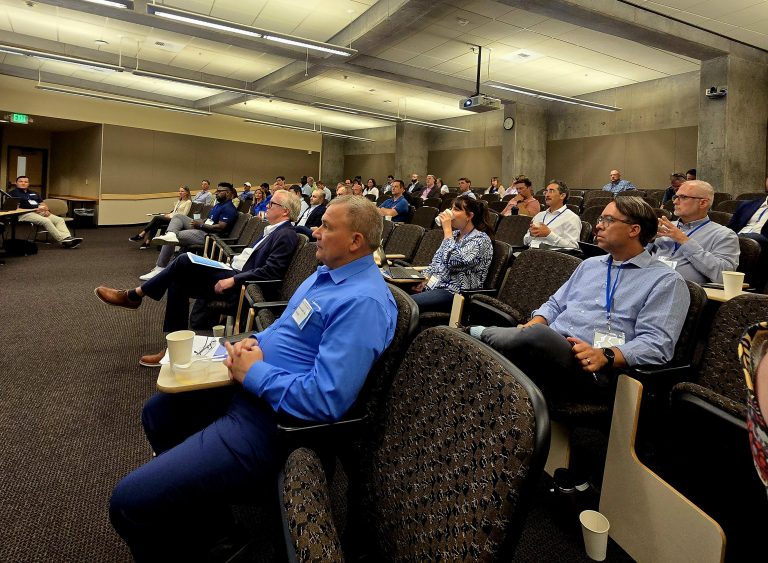
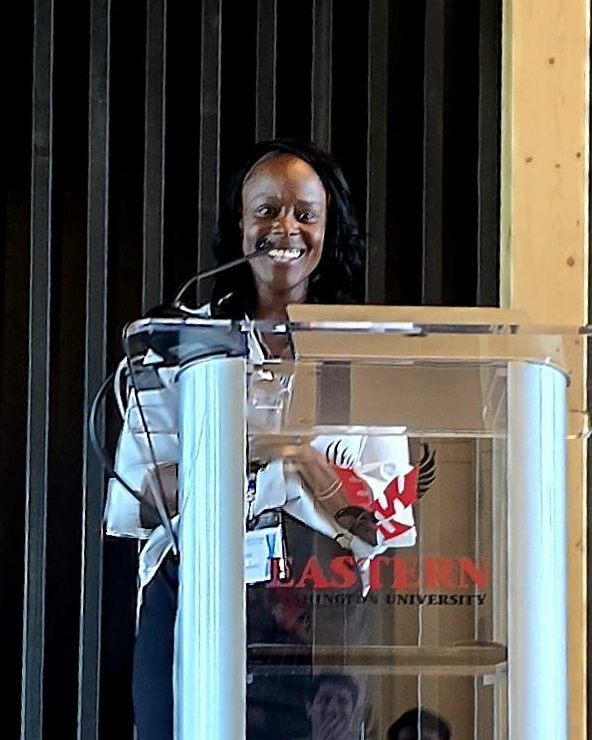
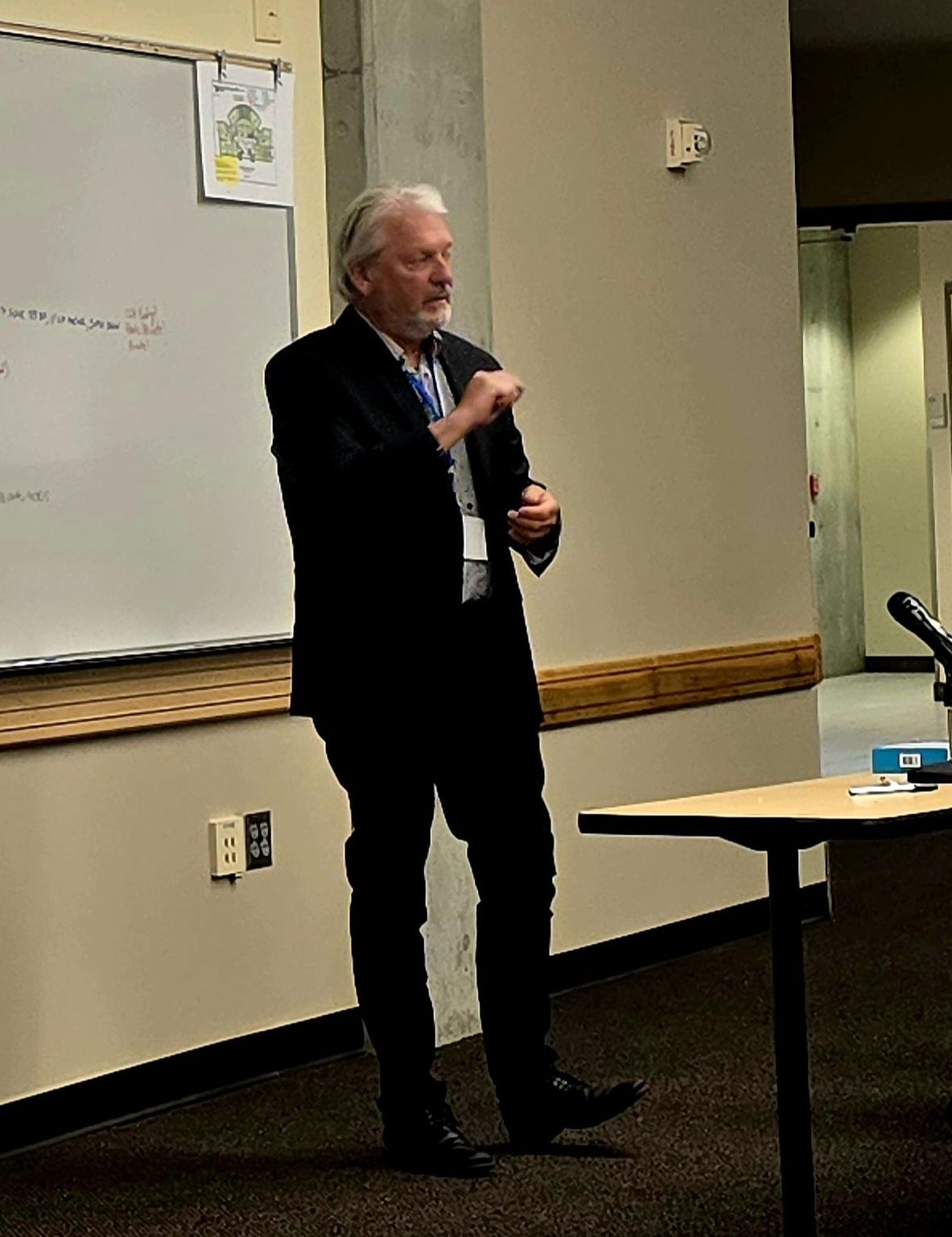
On July 8-9, 2025, something powerful happened at the Washington State University (WSU) Spokane campus. One hundred and two people—from utilities, tech companies, research institutions, Tribal communities, local government, and nonprofits—came together for two full days of connection, visioning, and action.
The goal? Shape the next two years for INTENT, our Inland Northwest energy innovation engine, and chart the path forward. But what happened went far beyond proposal prep.
We built six action roadmaps, identified specific partner-led initiatives, and—most importantly—walked away with a renewed sense of why this work matters, and why it has to keep going.
1. Collaboration Isn’t Just a Buzzword—It’s the Engine
From the start, the energy in the room was different. This wasn’t another event where people swap cards and disappear back into silos. In breakout rooms, utility engineers sat next to startup founders. Tribal leaders brainstormed with university researchers. Economic development experts worked alongside battery innovators.

We weren’t just networking; we were building connective tissue. That’s the essence of INTENT’s role: acting as a collaborative broker between players who might never otherwise meet, but who need each other to make a clean, resilient, equitable, and cost-effective energy future real.
No single organization can modernize the grid, deploy community microgrids, flatten energy cost curves, and train the next generation of energy workers alone. Our strength is in the network—and July proved it’s strong.
2. Partner Relationships = Real Value
One of the most encouraging outcomes? People weren’t just talking about concepts—they were committing to specific actions.

For example:
- In the Partnerships track, participants committed to building a living “Energy Ecosystem Map” to connect organizations across the region.
- In Empower Communities, teams designed a repeatable outreach process and identified communities to pilot it.
- In Demonstration Test Beds, partners offered sites and technology for immediate trials.
These commitments reflect our “win-win” value: supporting communities in gaining equitable access to reliable, clean power while helping industry partners lower operational risks, reduce costs, and stabilize pricing for their customers in a time of double-digit year-over-year increases.
3. Six Clear Areas to Drive Forward
By the end of the summit, our six “Intervention Ideas,” refined to align with the latest ICAP report priorities, had evolved into focused action plans:

- Demonstration Test Beds – Implement regionally relevant, fully functional microgrids and distributed energy demonstration sites, tested to extremes, that integrate storage and demand optimization to validate scalable, cost-effective solutions for both communities and industry.
- Strategic + Market Roadmap – Create a dynamic, data-driven blueprint aligning regulatory pathways, technology priorities, and investment strategies, with clear milestones for accelerating deployment and reducing market volatility and long-term costs.
- Empower Communities – Launch co-created, locally led clean energy projects that enhance community resilience, reduce energy burdens, and provide measurable benefits to grid reliability and industry efficiency.
- Market & Supply Chain Matching – Build a robust platform to connect technology providers, large energy consumers, utilities, and local suppliers, driving faster adoption, lowering integration costs, and strengthening regional supply chains.
- Partnership & Governance Development – Formalize multi-sector governance and deepen partnerships between universities, industry, government, and communities to coordinate R&D, workforce, and market growth activities.
- Community Energy & Innovation Incubator – Support startups and innovators with targeted funding, mentorship, and pilot opportunities, emphasizing solutions that deliver equitable access, cost control, and economic development benefits.
4. Making It Real Motivates Action
A challenge we’ve faced: our vision is bold, but partners and members need to see exactly how it benefits them and the region.

At this summit, conversations moved from “what if” to concrete detail:
- Which communities will host the first microgrids
- How projects will be funded and maintained
- The job roles and training needed for each project
- How benefits will be measured and reported, including impact on lowering energy costs
When the benefits are tangible—reducing energy burdens for residents while giving industry tools to manage price spikes—it’s easier for partners to commit.
5. Leadership & Staff Are the Flywheel

One reason this event produced momentum instead of just ideas? The INTENT core team—backed by full-time staff and engaged board leadership—keeps the flywheel turning between summits.
Dedicated coordination is the difference between progress and stall-out. Our message to funders and policymakers is clear: if you want lasting outcomes, you must invest in the “connective tissue”—the staff, governance, and convening power that keep the network healthy and able to deliver both equitable access and industry cost advantages.
6. Equity and Cost Value Go Hand-in-Hand
Equity was woven into nearly every discussion, but in a way that also recognized the value to industry and markets. Practically, that means:

- Prioritizing microgrids and efficiency projects in Tribal, rural, and underserved neighborhoods to improve resilience and create local economic benefits, while also strengthening the grid and reducing peak demand costs for utilities.
- Involving community members in decision-making from the start, improving adoption rates and reducing project risk for investors.
- Building workforce pathways that actively recruit underrepresented groups, expanding the talent pipeline industry needs to control labor costs.
- Ensuring cost savings and reliability benefits are shared, flattening long-term price trajectories for all customers.
- Leveraging large-scale energy consumers, like data centers, as both economic drivers and partners in cost management—capturing the economic development benefits they bring while preventing disproportionate cost increases for other consumers.
We looked to models like the Spokane Tribe Microgrid and MLK Jr. Community Resiliency Hub as proof that community-led clean energy can succeed here—delivering both social impact and bottom-line advantages.
7. The Headlines We Want to See
We closed with a creative exercise: imagining headlines about INTENT in summer 2026. New examples from our six work streams included:
- “Regional Grid Demonstration Project Proves Scalable Solution for Resilient, Cost-Effective Energy”
- “Workforce Development Partnership Delivers Skilled Talent Pipeline, Boosting Industry Competitiveness”
- “Energy Innovation Hub Launches Inaugural Programs to Accelerate Next-Gen Solutions”
- “INTENT Breaks Ground on First Rural Microgrid Site in PNW”
These headlines aren’t just wishful thinking—they’re goals we’re actively working toward, knowing they represent wins for both communities and the energy market.
Where We Go From Here
Over the next few months, we’ll:
- Refine and resource each of the six intervention areas
- Follow-up with partners who committed to specific actions at the summit
- Continue deep community engagement, especially with Tribal nations and rural areas
- Finalize governance and staffing for the next phase
The biggest lesson from July? This is long-term work. We’re building a regional capability to serve the Inland Northwest for decades—creating jobs, strengthening communities, lowering cost pressures, and leading in the clean energy transition.
The July 8-9 summit was a reminder that the magic isn’t in the sticky notes or slides. It’s in the relationships, the follow-through, and turning a room full of passionate people into a regional force for change.
That’s what INTENT is here to do—and after this summer, I’m more convinced than ever that we can and need to do this for the benefit of the communities and industries we serve.